
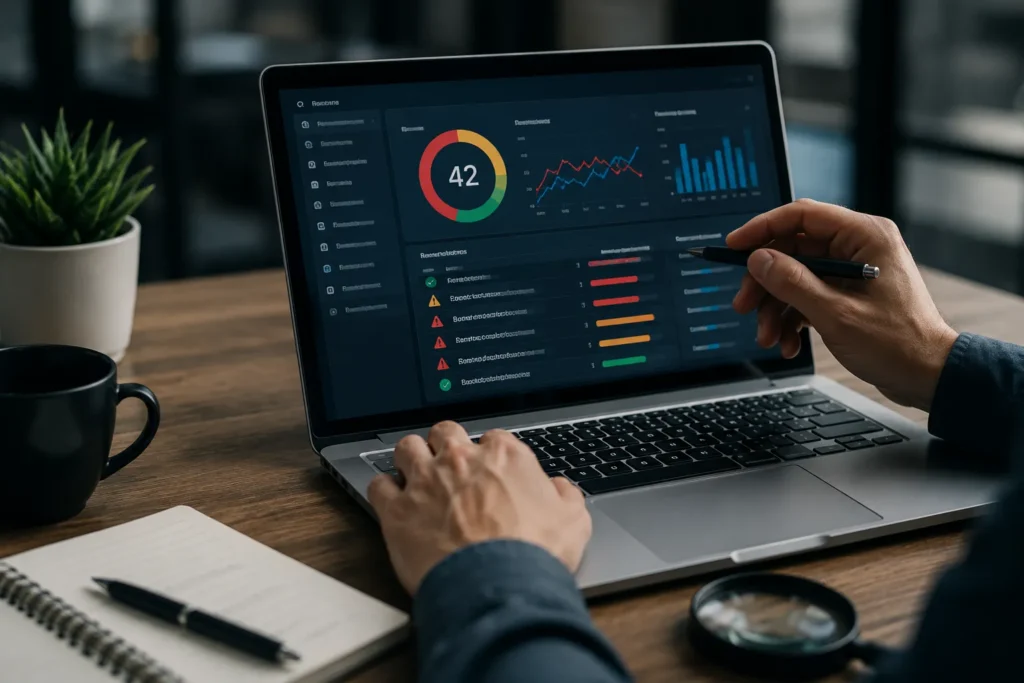
Technical SEO plays a major role in determining how well a website performs in search engines. Google processes billions of searches daily, and websites with technical issues often struggle to gain visibility. Even excellent content cannot deliver strong rankings when search engines face problems crawling, indexing, or understanding pages.
We often focus on keywords and backlinks while overlooking hidden errors. Broken links, slow pages, duplicate content, and indexing problems can reduce traffic and limit growth. According to Google research, a page load delay of three seconds increases bounce rates by 32%.
Technical SEO helps us identify these issues before they affect performance. A proper audit reveals what prevents search engines from accessing content efficiently. It also improves user experience and site stability.
Website owners who conduct regular technical audits usually experience stronger rankings and better engagement. Understanding these errors allows us to make informed decisions and maintain long-term search visibility.
Why Technical SEO Matters for Search Performance
Technical SEO focuses on the structure and performance of a website. Search engines rely on this foundation to discover and rank pages correctly. Without it, even valuable content can remain invisible.
Google’s Core Web Vitals became ranking signals in June 2021. These metrics measure loading speed, responsiveness, and visual stability. Websites that meet these standards often provide better experiences and lower bounce rates.
Common Technical Issues That Affect Rankings
Several hidden problems can reduce organic traffic. These issues often develop over time and remain unnoticed.
Common examples include:
- Broken internal links.
- Duplicate content pages.
- Missing XML sitemaps.
- Slow server response times.
- Incorrect redirects.
- Crawl errors.
- Mobile usability problems.
- Missing canonical tags.
These problems create barriers for search engine crawlers and visitors. Addressing them improves accessibility and indexing efficiency.
| Technical Issue | Impact on SEO | Recommended Fix |
|---|---|---|
| Broken links | Poor user experience | Replace or redirect URLs |
| Duplicate content | Keyword cannibalization | Add canonical tags |
| Slow loading speed | Higher bounce rates | Compress images |
| Crawl errors | Reduced index coverage | Repair server issues |
| Redirect chains | Slower crawling | Use direct redirects |
| Missing sitemap | Limited page discovery | Submit XML sitemap |
How to Find Technical SEO Errors
Finding problems requires a structured approach. Several professional tools provide valuable insights into website health.
Google Search Console remains one of the most important resources. It reports indexing issues, mobile usability errors, and Core Web Vitals data. Google Search Console is free and provides direct information from Google’s systems.
Important Tools for Technical SEO Audits
Experienced SEO specialists often combine multiple tools for deeper analysis.
Popular solutions include:
- Google Search Console.
- Google PageSpeed Insights.
- Screaming Frog SEO Spider.
- Ahrefs Site Audit.
- Semrush Site Audit.
- GTmetrix.
Screaming Frog can crawl up to 500 URLs for free. Ahrefs Site Audit monitors over 170 SEO factors. Semrush evaluates more than 140 technical checks.
Expert SEO consultant Barry Schwartz frequently emphasizes that crawlability and indexing remain fundamental ranking factors. Industry professionals agree that technical improvements create stronger foundations for content performance.
Real-world experience shows that fixing crawl errors and redirect issues often delivers measurable traffic gains within several weeks. Many websites discovered that technical barriers were preventing existing content from performing properly. Start your journey with our guide to an SEO consultant.
Key Areas to Review During a Technical SEO Audit
Technical SEO audits should focus on areas that directly influence visibility and user experience. Reviewing these sections regularly helps prevent long-term problems.
Page Speed, Mobile Experience, and Indexing
Google recommends a Largest Contentful Paint score below 2.5 seconds. Interaction to Next Paint should remain under 200 milliseconds. Cumulative Layout Shift should stay below 0.1.
We should also verify that pages are mobile-friendly. Mobile devices generated 63.38% of global web traffic in 2025. Poor mobile experiences can reduce conversions and rankings.
Important audit checkpoints include:
- XML sitemap status.
- Robots.txt configuration.
- HTTPS implementation.
- Structured data validation.
- Redirect accuracy.
- Core Web Vitals performance.
- Canonical tag usage.
- Index coverage reports.
Monitoring these areas helps maintain a healthy website. Small issues become easier to solve when identified early.
How Often Should You Perform Technical SEO Checks?
Technical SEO requires continuous monitoring rather than one-time fixes. Search engines update algorithms regularly, and websites evolve with new pages and plugins.
Many SEO professionals recommend monthly audits for small websites. Larger sites with thousands of pages often perform weekly checks. E-commerce websites frequently monitor technical health daily because inventory and URLs change constantly.
Industry studies from Semrush indicate that 42% of websites contain duplicate content issues. More than 50% experience broken internal links at some stage. Regular audits prevent these problems from accumulating.
Real experience shows that proactive maintenance reduces recovery costs. Fixing a small indexing problem early often prevents significant traffic losses later.
Conclusion
Technical SEO provides the foundation that supports content, rankings, and user experience. Hidden problems such as crawl errors, duplicate pages, and slow loading times can hold a website back. Regular audits help uncover these obstacles before they affect traffic.
Using tools like Google Search Console, Screaming Frog, and PageSpeed Insights makes it easier to identify weaknesses. Monitoring Core Web Vitals, mobile usability, and index coverage improves long-term performance. Technical SEO is not a one-time task. Consistent reviews and timely fixes help websites remain accessible, competitive, and ready for future growth.